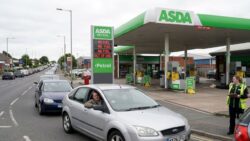
Motorists in the UK are facing higher fuel costs as the US-Israel war with Iran continues. Wholesale oil & gas prices have surged since the conflict began on 28 April. The production & transportation of energy across the Middle East has slowed or stopped entirely due to missile strikes and drone attacks. Higher energy prices may lead to a rise in the cost of other goods but it often shows up first at the fuel pump.
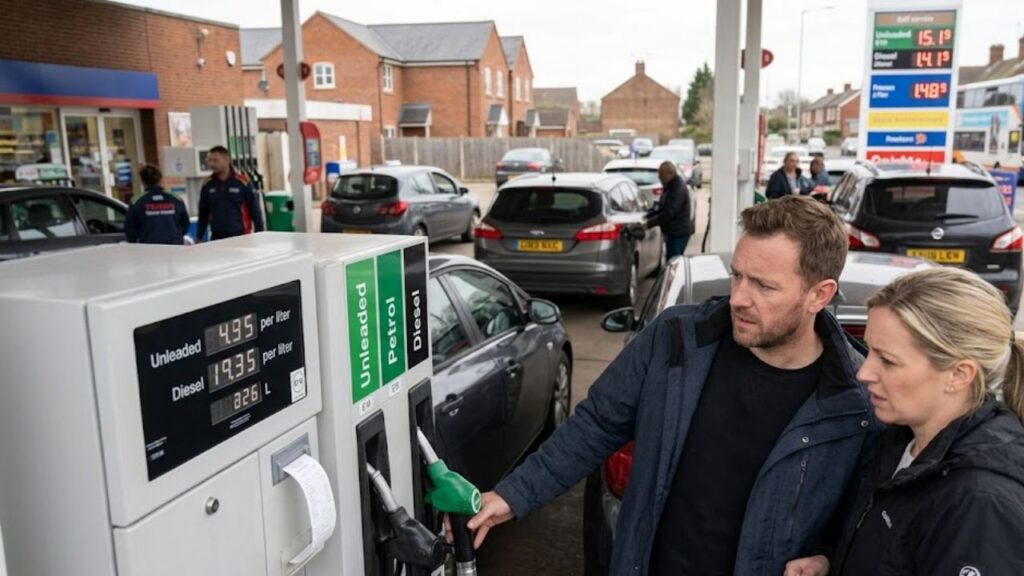
How are wholesale oil prices affecting petrol and diesel?
Crude oil is a key ingredient in petrol and diesel. This means higher wholesale costs make filling up a car more expensive. Since the war began the price of a barrel of Brent crude has been very volatile. It has jumped from $73 to over $110. Brent crude is the global benchmark for oil prices. Analysts say every $10 increase in the oil price pushes up pump prices by roughly 7p a litre. There is normally a time lag. Movements in oil markets take about a fortnight to impact fuel prices. Since the start of the conflict the cost of filling a typical family car with petrol has gone up by more than £13. A tank of diesel is around £26 more expensive than before the conflict.
Despite the sharp increases fuel prices remain below peaks reached in summer 2022 following Russia’s invasion of Ukraine. Then petrol reached 191.5p and diesel hit 199p a litre. According to RAC data on 7 April the average petrol price is 157.02p a litre. Diesel is 189.42p a litre. There have been accusations that fuel retailers may have been price gouging but they have denied this. The official markets regulator is investigating the issue.
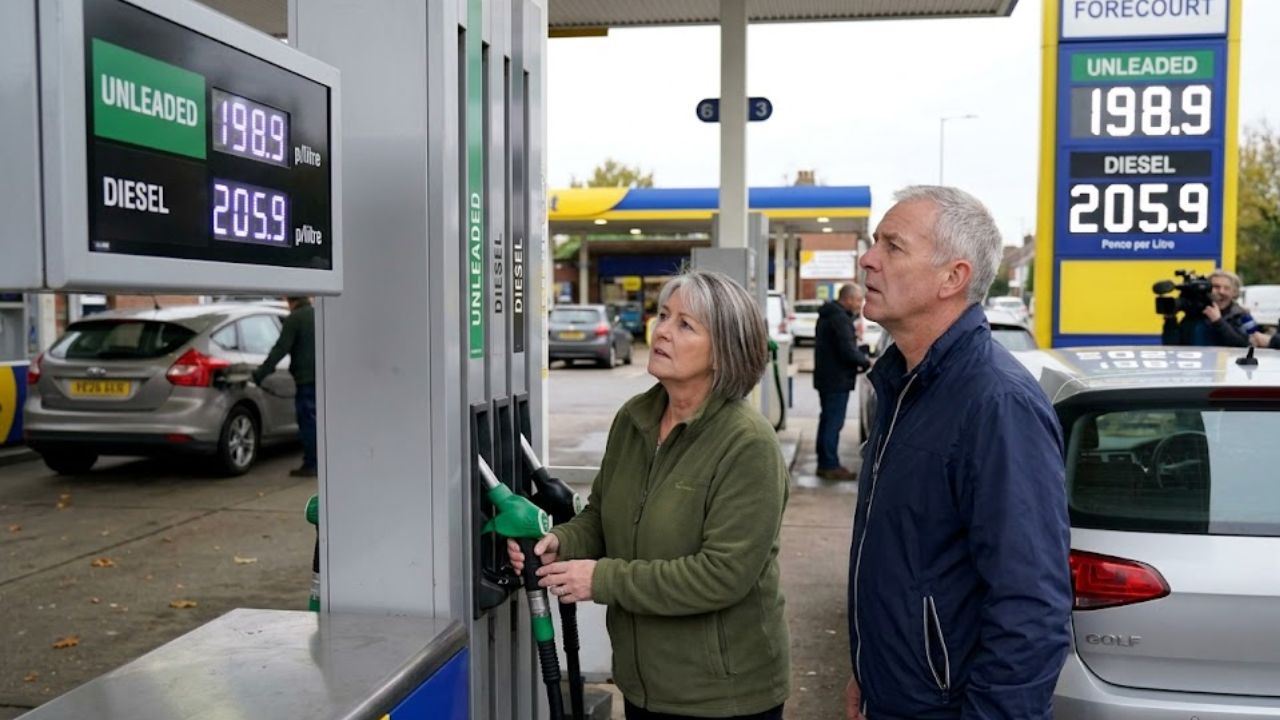
Where does the UK get its oil and gas from?
The UK is heavily reliant on oil and gas imports. Most of those imports come from the US and Norway. The price of oil on the global market determines how much the UK pays for it. Though the UK does get oil from the North Sea most of that is exported for refining elsewhere.
Could there be an oil shortage in the UK?
The boss of oil giant Shell has said that there could be a fuel shortage in Europe within weeks due to blockages in the Strait of Hormuz. The comments came after the International Energy Agency suggested a list of measures to reduce energy and fuel use in response to the conflict. These measures include working from home & carpooling. However the UK government and the Fuels Industry UK has described Britain’s fuel supplies as resilient. Fuels Industry UK has said Britons can continue to buy fuels as normal. Oil makes up 35% of the UK’s total energy supply according to the Department for Energy Security and Net Zero. As a member of the IEA it must hold 90 days’ worth of net oil imports but it currently holds more than this. Some have said that restrictions on new drilling licences in the North Sea should be eased to limit price rises for households. Others have said this is unlikely to significantly reduce energy prices for the public.
What impact could oil prices have on food prices?
More expensive petrol and diesel increases the transport costs for businesses moving products around the country. This can get passed on by shops and supermarkets to the consumer. In addition some elements of crude oil are used in fertiliser. This means there could be a cost implication in terms of food prices according to Benjamin Godwin. He is a partner at investment advisory firm PRISM Strategic Intelligence. However if the conflict is short-lived then it is unlikely to result in an immediate increase in food prices he said.
Davey calls for emergency cuts to fuel duty & rail fares Why did US & Israel attack Iran and how long could the war last?
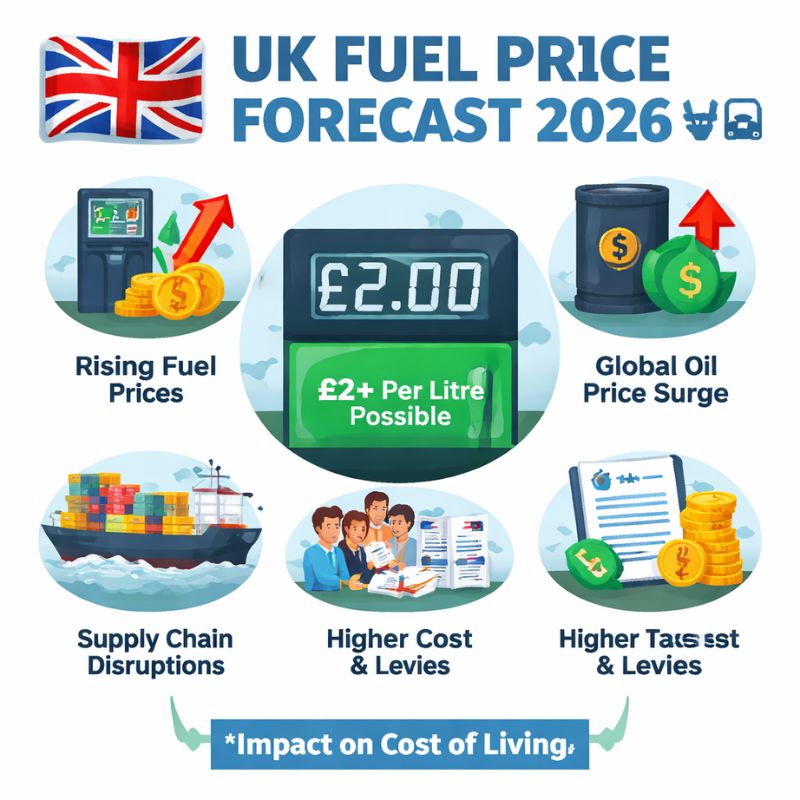
Will my energy bills rise?
In the short term millions of UK householders’ domestic gas and electricity bills are shielded from any impact on wholesale costs paid by suppliers. People whose energy bills are governed by the price cap already know what their unit prices are now and will be for the three months from April. That price has already been set. However depending on how long the conflict lasts there could be an impact on prices when the next price cap is set for the three months from July. Anyone who has fixed their energy tariff already will not see a price rise. However suppliers have started reconsidering what they are willing to offer for those fixed-price deals and have been pulling cheaper deals off the market.
Heating oil is used by many households in Northern Ireland & in some rural areas. The prices do fluctuate more directly in response to the oil price. The latest global uncertainty has pushed up costs for those households refilling their tanks. The prime minister has announced a £53m support package to help those hit by the sharp increase in heating oil.
Will this affect UK inflation and interest rates?
UK inflation measures the pace of price rises. It has eased relative to the heights reached immediately after Russia laRussia launched its full-scale invasion of Ukraine four years ago & inflation was expected to keep falling this year. The Bank of England uses interest rates to keep inflation close to its 2% target and these rates were expected to continue declining steadily throughout the year. However these predictions have been abandoned due to higher energy costs that emerged after the conflict started. Inflation is now forecast to be higher than previously anticipated and financial markets are predicting that interest rates will increase instead of decrease. Mortgage lenders set their rates based on what they expect the Bank of England to do with interest rates. These lenders have now increased their own lending rates in response to the changed outlook. Anyone who is remortgaging their home or taking out their first mortgage will likely face higher rates than they would have encountered before the Iran war began.