A lot of people in the UK still use TV for a lot of things every day. It is still a good way for older people who stay at home more to get news, entertainment, and company. As 2026 gets closer, the rules about TV licenses are once again a hot topic of conversation, especially among retirees who are trying to save money on their bills. A standard color TV license will cost £180.00 starting on April 1, 2026. But for some older groups of citizens, new confirmations about concessions help them out financially.
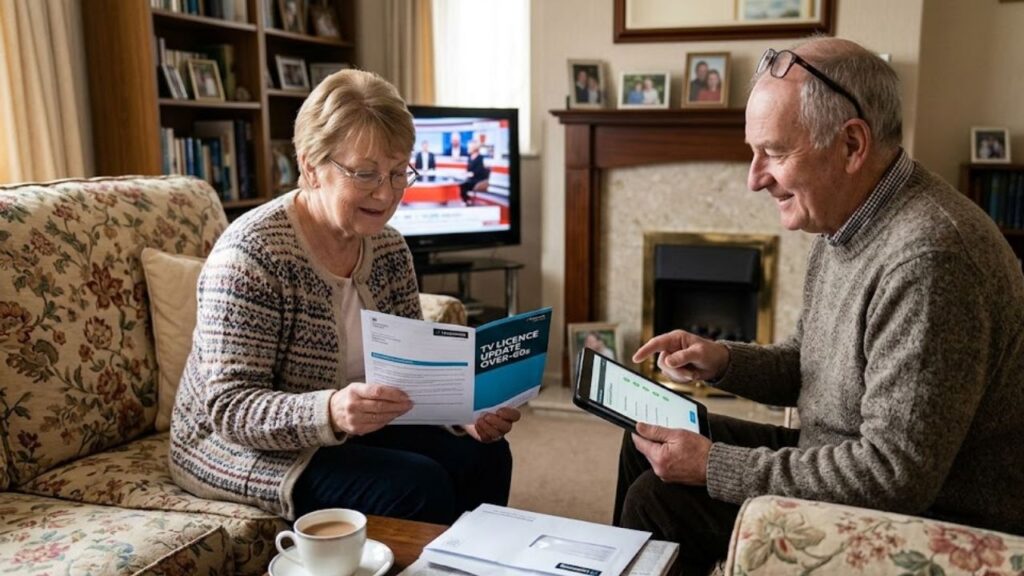
The UK Government Looks
It’s important to know the most recent rules because being eligible is no longer just about reaching a certain age. Many families are confused by the switch from a universal benefit to one that is based on income. People who meet the requirements can still get big savings or even a free license, though. This guide tells you who can get a free or cheap TV license and how to do it according to the rules in place in 2026.
Also read: State Pension Update 2026: DWP Sends Letters To Pensioners Born Before 1960 Across UK State Pension Update 2026: DWP Sends Letters To Pensioners Born Before 1960 Across UK Age Limits for Getting a Free TV License
There is a lot of talk about giving free TV licenses to people over 60, but the official age limit is still 75 years old or older. The BBC and the government say that there are no plans to bring back a free license for everyone over 60.
But there are times when people over 60 can still be helpful. People over 60 who are retired or disabled and live in approved sheltered housing or care facilities may be able to get the special “Accommodation for Residential Care” (ARC) license. This license costs only £7.50 a year and lets people watch TV for a very low price option.
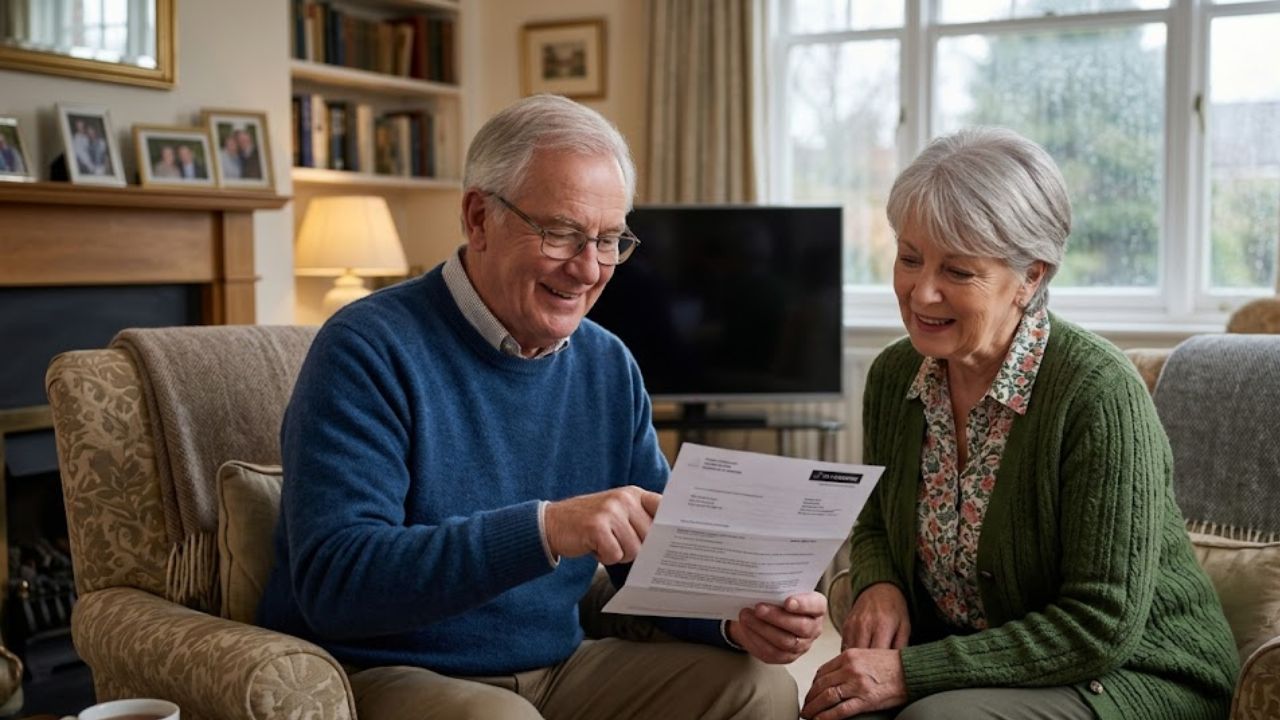
What you need to do to get a free license if you’re over 75
People who are 75 or older can get a free TV license, but only in some cases. When people turn 75, they don’t automatically get it. The rules for 2026 say that the applicant must be at least 75 years old and either the applicant or their partner must be eligible for Pension Credit support benefit.
The government runs the Pension Credit program to help retirees who don’t have a lot of money. It has two parts: Savings Credit and Guarantee Credit. People who get either of these benefits can get a free TV license. The household can still qualify if one partner’s name is on the TV license and the other gets Pension Credit, as long as both partners live at the same address.
The Importance of Pension Credit
A lot of people call Pension Credit a “gateway benefit” because it lets you get other kinds of financial help. People who get Pension Credit might also be able to get help with their heating bills, council tax payments, and some NHS services, like dental care. They won’t have to pay the £180.00 TV license fee anymore because of this financial help access.
Officials have said that Pension Credit and free TV licenses will stay linked until the current BBC Charter ends in 2027. The best way for people over 75 to get a free TV license right now is to sign up for Pension Credit.
Blind people can get a TV license for half price.
People who are registered as blind or have very bad vision can get another big break. These people can save 50% on the cost of their TV license, giving them a significant financial cost reduction.
Starting on April 1, 2026, a color TV license will only cost £90.00 instead of the full £180.00. The license must be in the name of the person who is legally blind in order to get this discount. TV Licensing can move the license to the household if it is currently in a partner’s name so they can get the lower discounted rate applied.
Special Permit for People Who Live in Assisted Living
People who live in residential care facilities or some sheltered housing programs may be able to get one of the cheapest options. The ARC license for housing for people in residential care costs just £7.50 a year, making it a very affordable viewing solution.
People who live here and are retired, disabled, or over 60 can get this discount. Residents should ask the housing manager or facility administrator if their home is eligible for the program. People usually only need this license when they watch TV in their own private space instead of a shared public lounge area.
How to Get a Free License for Your TV
It’s usually easy to get a free TV license, but it doesn’t happen automatically when someone turns 75. The person has to fill out an application. You can fill out an application online at the official TV Licensing website or by calling their customer service contact number.
Candidates must provide their National Insurance number when they apply. This lets TV Licensing check with the Department for Work and Pensions (DWP) to see if they can get Pension Credit. People who are 74 years old and already get Pension Credit can apply early to have their payments changed before they get them. This will make sure that they get the free license automatically applied when they turn 75.
Changes that might happen to the system in the future
The government checks on the BBC’s funding on a regular basis. A formal Charter Review has already started to look at ways the broadcaster could make money after 2027, ensuring long term funding stability.
One part of this review is looking at the current discounts and trying to guess what new ones might be added in the future, like bigger discounts for everyone over 60. The government has said that licence fees will keep going up with inflation so that the BBC can keep getting steady financial funding support.
How to Get Your Money Back If You Spent Too Much
You might be able to get your money back if you paid for a full TV license and then found out you could get a free one or a discount. People who were eligible for a concession but still paid the full fee can ask for a refund from TV Licensing, giving them a chance to recover costs.
This happens a lot when someone has just been declared blind or just started getting Pension Credit. You might get a refund that is backdated when you check your eligibility status and confirm your correct benefit qualification status.
Checking Your Eligibility for Pension Credit: Why It’s Important
Because the cost of a color TV license will go up to £180.00 in April 2026, retirees need to check their eligibility for Pension Credit more than ever. Many people believe that people who own a home or have some savings can’t get help, but this isn’t always the case and depends on individual financial eligibility criteria.
The Department for Work and Pensions thinks that hundreds of thousands of retirees who could get Pension Credit aren’t doing so right now. This benefit can help you with your daily money problems and pay for all of your TV license fees through government financial assistance support.
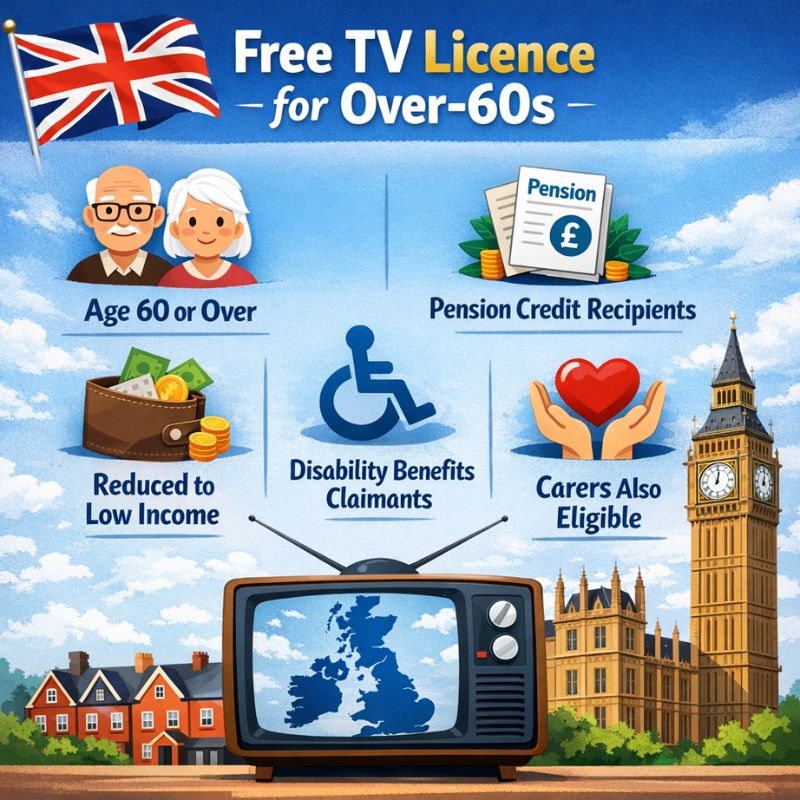
A list of the new TV license rules for 2026
The most recent rules say that as of March 2026, there is no universal free TV license for people over 60. Still, a lot of help goes to pensioners who don’t make much money or who live in certain types of housing under specific eligibility based schemes.
The £7.50 ARC license for sheltered housing residents over 60 and the free license for people 75 and older who get Pension Credit are the two main ways that seniors can get help through targeted financial support programs.
UK pensioners can keep watching their favorite TV shows without having to pay the rising £180 license fee if they know these rules and fill out the right forms to ensure continued access to television.