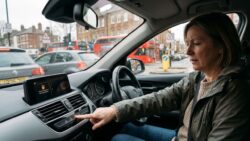
More than 32,000 driving licences have been revoked or refused renewal across the UK after the DVLA was informed of eyesight-related conditions that could make motorists unsafe on the road.

According to data obtained through a Freedom of Information request, a total of 32,944 cases were recorded over a four-year period where drivers either lost their licences or were denied renewal because of visual impairments that may have affected safe driving.
DVLA Action Followed Concerns Over Vision Standards
The action was taken after the DVLA became aware of eyesight problems that could prevent some motorists from meeting the legal standard required to drive.
Under current UK rules, drivers must tell the DVLA if they have any medical condition that may affect their ability to drive safely. If they fail to do so, they could face penalties, including fines or the withdrawal of their licence.
Older Drivers Accounted for the Highest Number of Cases
The figures show that older drivers made up the largest share of eyesight-related licence revocations and renewal refusals.
| Age Group | Number of Cases |
|---|---|
| 70 to 79 | 10,794 |
| 80 to 89 | 8,060 |
| 90 and over | 1,202 |
These numbers have added to concerns about whether the current self-reporting system is strong enough to protect road safety.
Government Considering Mandatory Eye Tests for Over-70s
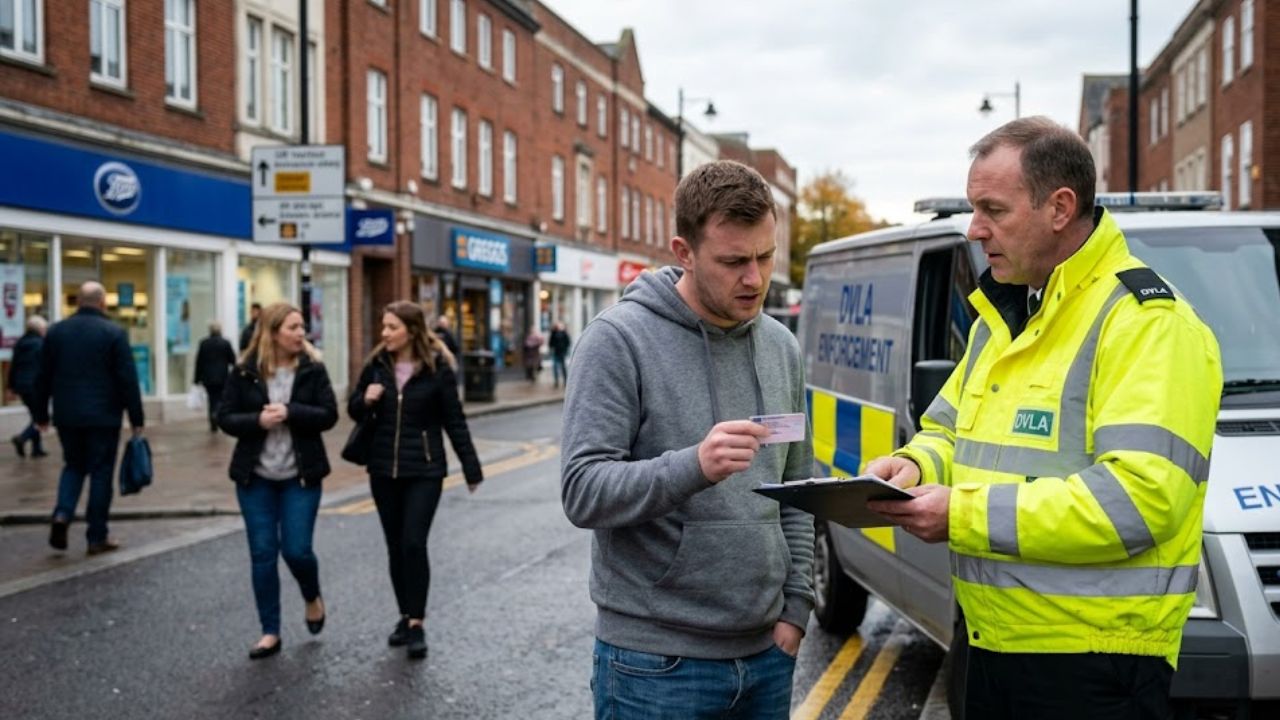
The UK Government is now moving forward with proposals to introduce mandatory eyesight testing for drivers aged 70 and over.
At present, drivers must renew their licence at the age of 70 and then every three years after that. However, critics argue that renewal alone does not do enough to ensure motorists still meet the required vision standard.
The new consultation is focused on whether the current self-declaration system for older drivers should be replaced or strengthened with compulsory eyesight checks.
Current Legal Eyesight Standard for Driving
Drivers in the UK must already meet the legal eyesight standard before getting behind the wheel.
The rules include the following:
| Requirement | Standard |
|---|---|
| Number plate test | Must be able to read a standard number plate from 20 metres away |
| Visual acuity | Must meet the minimum eyesight threshold for driving |
| Medical reporting duty | Must inform DVLA about conditions that may affect safe driving |
Drivers may wear glasses or contact lenses to meet the required standard.
Experts Warn Eyesight Can Decline Gradually
Motoring experts have warned that eyesight often gets worse slowly, which means many drivers may not immediately notice changes in their vision.
Because of this gradual decline, regular professional eye tests are seen as one of the most reliable ways for motorists to make sure they still meet the legal standard and can continue driving safely.
The issue is not limited to one age group, but the data suggests it becomes more common among older motorists.
Why the Rules Matter
Eyesight plays a central role in safe driving. A driver who cannot clearly see road signs, hazards, pedestrians, markings, or other vehicles may pose a serious risk to themselves and others.
That is why the DVLA requires people to report relevant medical conditions and why policymakers are now considering stricter checks for older drivers.
Final Overview
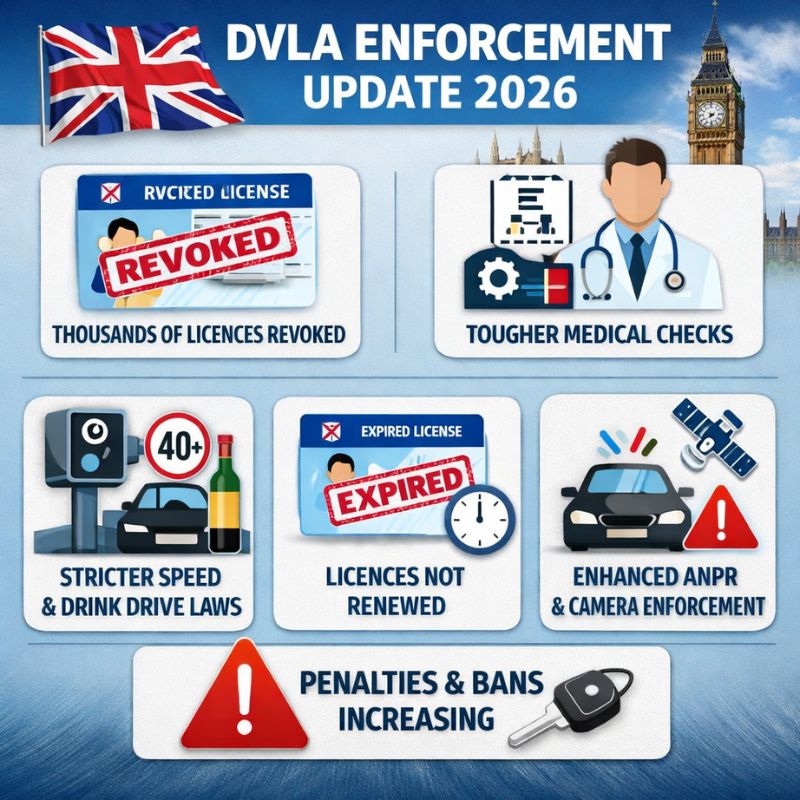
More than 32,944 UK motorists have had their licences revoked or renewal refused because of eyesight-related issues, with the highest numbers recorded among drivers aged 70 and over.
With growing concern about the limits of self-reporting, the government is now consulting on mandatory eyesight testing for older drivers. At the same time, all motorists are reminded that they must be able to read a number plate from 20 metres and must tell the DVLA about any condition that may affect safe driving.