
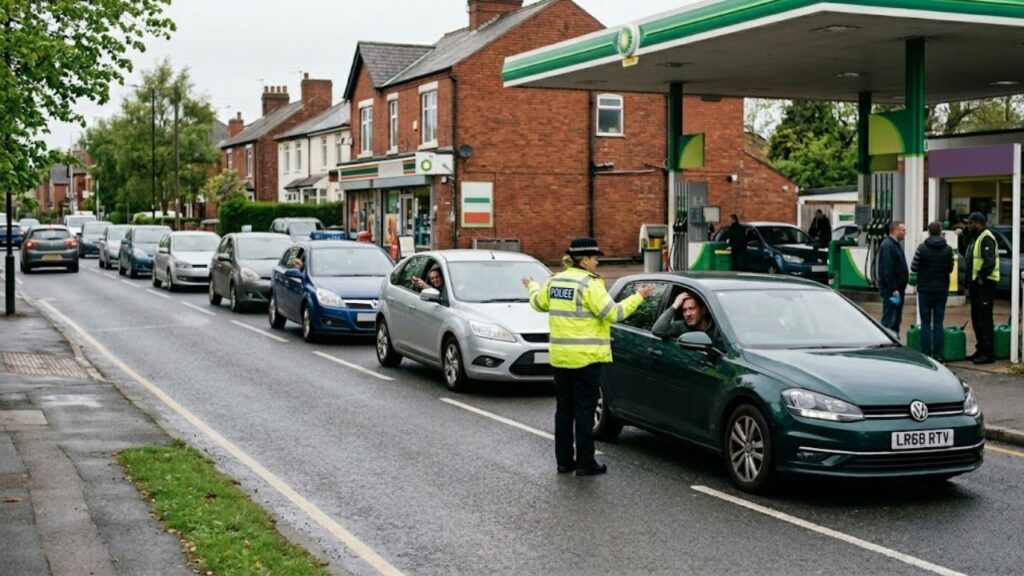
The UK government is working on backup plans to handle possible fuel supply problems as tensions with Iran increase. These plans focus on making sure important services like hospitals and emergency responders get fuel first if supplies run low. Downing Street has told the public that petrol stations throughout the country have plenty of fuel right now and there is no shortage at the moment. Britain gets its fuel from many different sources which helps keep supplies steady even when global situations become uncertain.
Strait of Hormuz Blockade Impacts Global Oil Flow
The crisis has grown worse because Iran blocked the Strait of Hormuz. This important waterway carries almost 20% of global oil supplies. Prime Minister Keir Starmer met with business leaders and said the government is getting ready for any possible outcome. He asked people to act normally & not rush to buy fuel in a panic. He stressed that supply levels are still manageable right now.
Diesel Shortage Risk Emerging by Late April
The government expects petrol supplies to stay steady but experts worry about diesel running low. Energy analyst Ashley Kelty from Panmure Liberum said the UK might start having problems getting enough diesel by the end of April. Analysts believe the government is choosing its words carefully because it does not want people to panic for no reason.
Essential Industries May Get Priority Access
The government might focus on keeping fuel available for critical services if supplies run low. Emergency services would get priority along with public transport systems and healthcare facilities. Food distribution networks would also remain at the top of the list. Industry groups have emphasized that supply chains must continue operating without interruption. This applies especially to food and other essential goods since any disruption could create problems across multiple sectors.
Manufacturing Sector Could Face Pressure
Energy-intensive industries might face problems if fuel costs keep going up. Manufacturing group representatives have said that some factories may need to reduce production in the next few weeks. This situation could affect the wider economy if energy shortages continue.
Emergency Measures Framework Already in Place
The UK maintains an emergency fuel plan that received its most recent update in 2024. This plan describes the actions that would be implemented if the country faced a serious fuel shortage. The measures outlined in the plan include rationing fuel supplies and setting limits on how much fuel individual consumers can purchase at one time. The plan also specifies that fuel would only be available during certain designated hours. Under this framework emergency services and other essential operations would receive fuel before other users.
Possible Measures to Reduce Fuel Consumption
The government could introduce temporary measures to manage demand. These steps might include encouraging remote work, reducing domestic flights and lowering speed limits. The International Energy Agency has previously recommended these actions as effective ways to reduce fuel consumption during supply constraints.
Military and Reserve Support Options
The government can send in the Armed Forces to help deliver fuel if things get really bad. There is also a backup fleet of fuel tankers ready to boost delivery numbers. On top of that the government might release emergency oil reserves to keep supply steady. This kind of coordinated response happened before in April.
Government and Industry Must Work Together
Prime Minister Starmer talked about how the government needs to work closely with big companies like Shell BP, and Maersk. He said that working together is necessary to handle increasing energy prices and keep supplies steady so that regular people are not affected too much.